How Much Does a Flutter App Cost in India?
Nobody can answer that from a one-line brief, and anyone who does is guessing. What I can do is show you exactly which decisions move the number.
The short version
- Screen count is a starting point, not an estimate — screen complexity varies tenfold.
- Whether a backend already exists is often the single biggest line in the quote.
- An app is not a one-time purchase: SDK upgrades and store policy changes recur yearly.
- Give your developer your real budget. It's what lets them tell you what fits.
The five things that actually move the number
1. Screen count and complexity
A static list screen and one with live charts, filters and offline caching are not the same unit of work. Count screens, then weight them.
2. Whether a backend exists
Integrating a working API is a fraction of the cost of designing a Firebase backend, modelling the data and writing security rules from nothing.
3. Design: handed over or invented
Implementing finished Figma files is predictable work. Making the design decisions during the build is slower and iterates more.
4. Integrations
Payments, maps, push, analytics, third-party APIs, hardware. Each adds build time, testing time, and maintenance when the provider changes something.
5. Number of user roles
A customer app plus a staff app plus an admin dashboard is roughly three products, and permissions have to be enforced server-side, not hidden in the UI.
And one multiplier: who you hire
An individual freelancer, an agency, or a full-time hire price the same code very differently. Each buys you something different.
Why I won't publish a price list
Because every published range I've seen is either so wide it's useless or so specific it's wrong.
The variance is genuinely enormous
Two apps with the same screen count can differ by several times over, purely on backend work, integrations and role count.
A number quoted before scoping is a guess
And it's always the number you'll remember and hold the developer to, which makes early guessing actively harmful to both sides.
Market averages are not your project
"An app costs X in India" averages a brochure app and a fintech platform. The average describes nothing you could commission.
What I do instead
A scoping conversation, then a stage-by-stage estimate against your actual requirements. If it's beyond your budget I'll say so early and show you what fits.
The most expensive number in any app project is the one quoted before anyone understood the scope.
Freelancer, agency, or employee — what you're paying for
The same app costs very different amounts depending on who builds it, and the difference isn't only margin.
Individual freelancer
Lowest cost for the same code: no account management, no sales overhead, direct contact with the developer. Capped at one person's capacity.
Agency
Costs more, and some of that is genuinely worth it — parallel capacity, cover when someone's away, continuity across years. Some of it is overhead that doesn't write code.
Full-time hire
Cheapest per unit of work over years, most expensive and slowest to arrange for one project, and hard to reverse if the work dries up.
The honest framing
Don't ask which is cheapest. Ask how much Flutter work you'll have twelve months from now. That answer picks for you.
The costs that arrive after launch
Most quotes cover building the app. Very few mention what keeping it alive costs.
Store fees
Apple charges an annual developer fee and Google a one-time registration. Both change; check their current pricing rather than trusting a blog.
Firebase is usage-based
Billed on document reads, writes, storage and bandwidth — not users. Two apps with identical user counts can differ by an order of magnitude on schema alone.
Yearly maintenance you can't skip
Flutter SDK upgrades, iOS and Android OS releases, dependency updates, and store policy changes that force a rebuild whether you planned one or not.
Real-world bug fixes
Devices, networks and users you didn't test against. Budget for a support period after launch rather than treating it as a surprise.
How to get an estimate that's worth something
Bring these five things to the conversation and the number you get back will actually hold.
A screen list, even a rough one
Bullet points are fine. It converts an unanswerable question into a scoped one.
The user roles
Who logs in, and what can each of them see and do that the others can't.
What data already exists
An API, a database, a spreadsheet, nothing. This single answer often moves the quote more than anything else.
The deadline, and why
A real external date is a constraint worth designing around. An arbitrary one just raises the price.
Your actual budget
Not a weakness in the negotiation. It's what lets a developer tell you what's achievable instead of quoting something you'll decline.
What these projects actually involved.
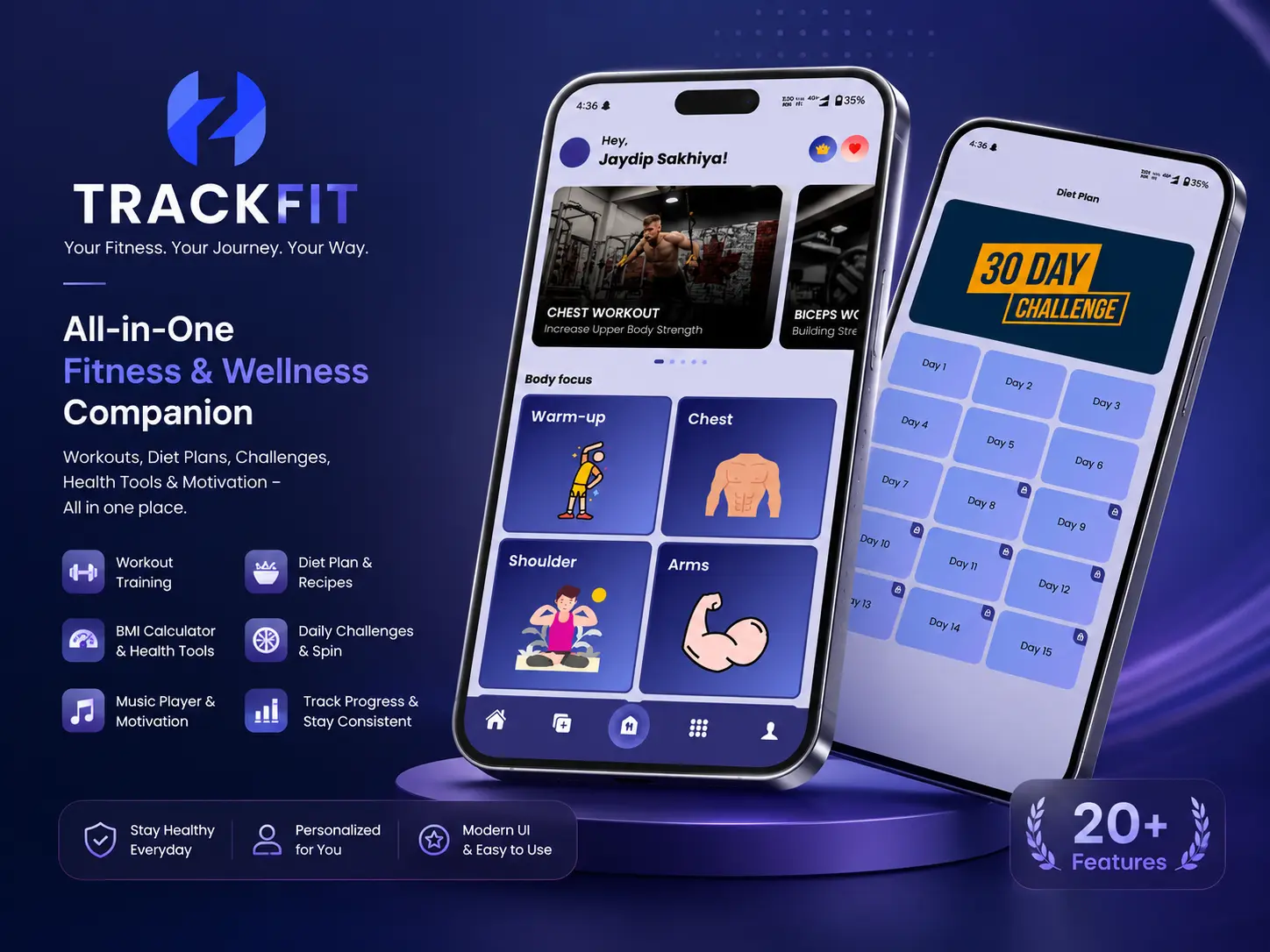
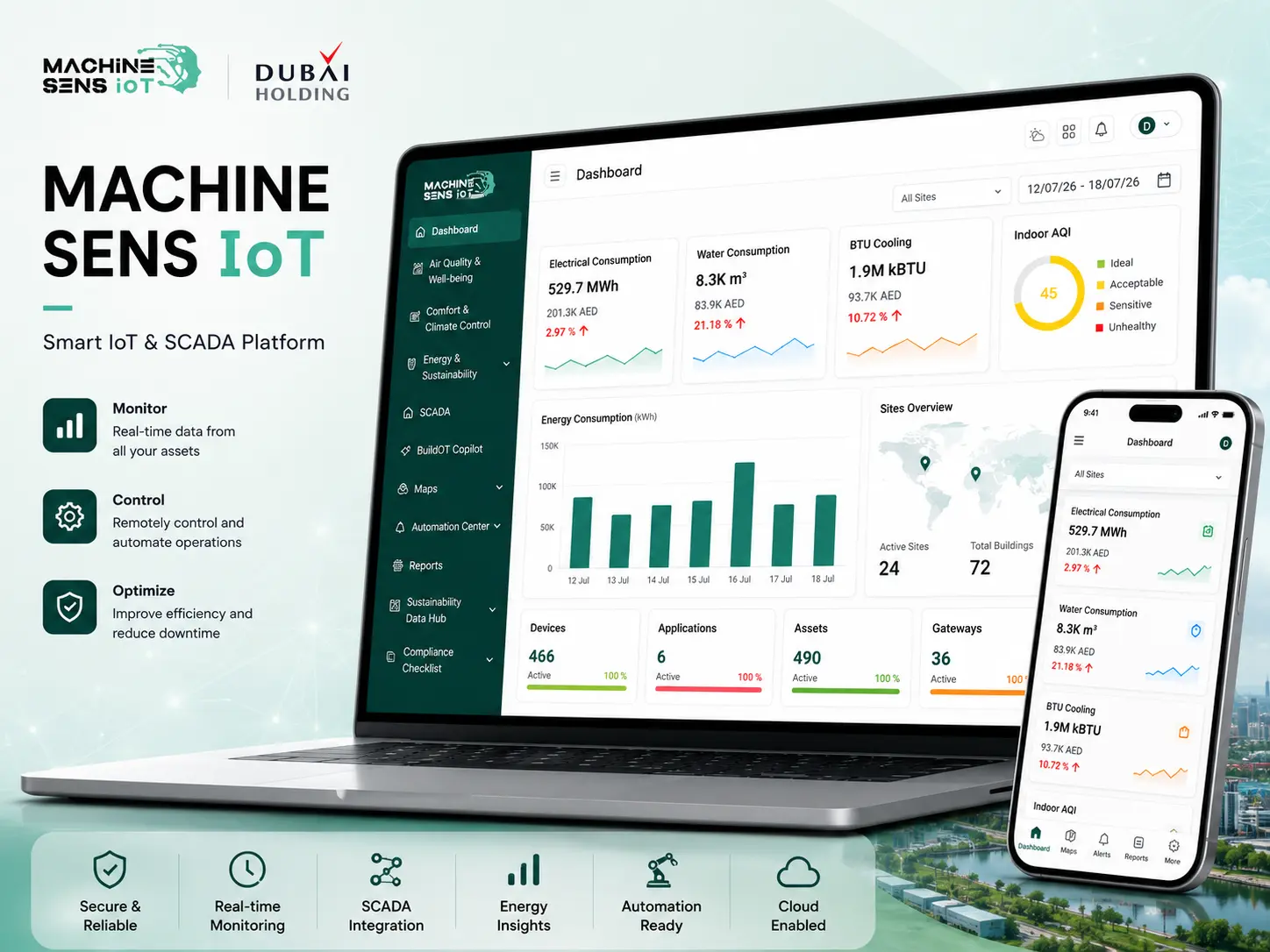
Rather than quoting prices, here are real builds with their scope and technical decisions written up, so you can see where the work goes.

The tools I build this with.
Build cost drivers
- Screen count
- Screen complexity
- User roles
- Custom design
Backend cost drivers
- Existing API?
- Firestore modelling
- Security rules
- Cloud Functions
Integration costs
- Payments
- Maps
- Push notifications
- Third-party APIs
Running costs
- Firebase usage
- Apple annual fee
- Google Play fee
- SDK upgrades
Three ways to work together.
Fixed price gives you a known total before work starts and puts the estimate risk on me. Hourly suits work nobody can scope up front.
Fixed price
One agreed price for an agreed scope, split into milestones. You know the total before work starts, and I absorb the risk of my own estimate being wrong.
Best for: Well-defined builds where the feature list is already settled
Hourly
Billed for time actually worked, with a log of what was done. No minimum commitment, and you can stop at the end of any week.
Best for: Fixes, audits, custom code and open-ended work
Dedicated developer
A reserved block of my capacity each month, working to your priorities as they change. Scope can shift between sprints without renegotiating a contract.
Best for: Ongoing product work and longer engagements
From first call to launch and beyond.
Cost certainty comes from the first two stages. Discovery and design are where the number becomes real and where it's cheapest to change your mind.
- Step 01
Discovery
A call to understand the product, the users, the constraints and the deadline, followed by a written scope you can push back on.
- Step 02
Design
Screen flow, data model and architecture agreed before code. If you have Figma designs I work from them; if not, we settle structure first.
- Step 03
Development
Built in milestones you can see, pushed to your repository as it happens, with a working build to try at the end of each stage.
- Step 04
Testing
Real devices across both platforms, slow networks, edge cases and the states people forget: empty, loading, offline and error.
- Step 05
Launch
Signed release builds, store listings, review feedback handled, and deployment of any web or Firebase side of the project.
- Step 06
Support
A bug-fix period after release, then ongoing availability for feature work, SDK upgrades and store compliance changes.
Frequently asked questions
What does a Flutter app cost in India?
It depends on five things: screen count and complexity, whether a backend already exists, whether design is handed over or invented during the build, how many third-party integrations are involved, and how many distinct user roles the app serves. A single-workflow internal tool and a multi-role platform with payments are different projects by a wide margin. I quote per project after a scoping conversation rather than from a rate card, so the figure reflects your requirements rather than an average of everyone else's.
Is it cheaper to build an app in India?
Development rates in India are generally lower than in the US, UK or Western Europe, which is why a lot of international clients hire here. The thing to watch is what you're comparing: a cheap quote that excludes backend work, testing, store submission and post-launch support is not cheaper, it's smaller. Compare scope line by line, not headline numbers.
Why do quotes for the same app vary so much?
Usually because the quotes aren't for the same app. One includes a Firebase backend, security rules, both platforms, store submission and a support period; another assumes you have an API, ships Android only, and treats testing as your problem. Ask every bidder to list what's excluded — the differences normally live there rather than in the rate.
Does FlutterFlow make it cheaper?
For a standard feature set, yes, usually by a meaningful margin, which is the main reason to choose it. The saving shrinks as the amount of custom Dart needed grows, and at some point it reverses. My Flutter vs FlutterFlow page sets out where that line sits. For a first version of a fairly conventional app, FlutterFlow is often the honest recommendation.
What ongoing costs should I budget for?
Apple's annual developer fee and Google Play's one-time registration, your Firebase usage, any third-party service subscriptions, a domain if you need one, and — the one people forget — yearly maintenance. Flutter SDK upgrades, OS releases and store policy changes all force work whether you planned it or not. Check the current store and Firebase pricing directly rather than relying on figures in an article, including this one.
Can I build it in stages to spread the cost?
Yes, and it's usually the better approach anyway. A tightly scoped first version in front of real users tells you which of your planned features actually matter, which often means the later stages get smaller rather than larger. Fixed-price milestones make this straightforward: you can stop at the end of any one and keep everything built.
Will you tell me if my budget isn't enough?
Yes, in the first conversation. If what you've described costs more than you have, I'll say so and show you what does fit — a narrower first version, FlutterFlow instead of hand-written Flutter, or one platform first if your users genuinely sit on one. Agreeing to an impossible budget and quietly cutting corners later is how app projects fail.
Want a real number for your project?
Send a rough screen list, the user roles, what data already exists, and your budget. You'll get a scoped estimate rather than a range.