Flutter App Development Services
Production Flutter apps for Android and iOS from one Dart codebase — written by hand, architected to still make sense a year after launch.
The short version
- Cross-platform app development from one Dart codebase — usually the whole cost decision.
- Architecture is agreed before screens, so the tenth screen is as fast as the first.
- You own the repository from the first commit and watch it fill up.
- Store submission, review feedback and a post-launch fix period are part of the job.
What Flutter app development covers
New app builds from scratch
Project setup, folder structure, routing, state management and theming decided up front, so the tenth screen is as fast to add as the first.
Architecture that survives handover
GetX for reactive state and dependency injection, with MVC or MVVM layering. Business logic stays out of widgets, which keeps screens readable and testable.
Figma to Flutter UI
Accurate implementation of your designs, including custom animations, responsive layouts and dark mode, rather than default Material components with the colours changed.
API and backend integration
REST endpoints wired up with typed Dart models, real loading and empty states, and error handling that tells the user what actually went wrong.
Existing app rescue and refactoring
Taking over a Flutter codebase someone else started: untangling state, fixing performance, upgrading dependencies and getting the build green again.
Release and store submission
Build flavours, signing, app icons, splash screens, store listings, and the back-and-forth of review feedback until the app is live.
Why hire me for Flutter development
Four years of doing almost nothing but Flutter, and you talk to the person writing the code.
The narrowness is deliberate
I already know how your list behaves at three hundred items, why your bottom sheet jumps on Android, and which state pattern survives the feature you haven't thought of yet.
No account manager in between
When you describe a requirement I am the one who hears it, asks about the edge case you mentioned in passing, and then writes it.
Judge me on the work, not the pitch
Every project I have shipped is written up as a case study on this site, including the problems I hit and how I solved them.
Most app projects fail because a requirement was misunderstood early and nobody noticed for three weeks.
How I keep Flutter apps maintainable
Three firm conventions, because painful Flutter projects nearly always became painful the same way.
Typed models at the boundary
Network responses are parsed into Dart models where they arrive, never passed around as untyped maps.
Controllers own state, widgets only render
Business logic stays out of build methods, which is what keeps screens readable and testable.
Shared UI is a component library
Inside the project, so a design change is one edit rather than thirty.
I would rather spend an extra day on structure than hand over something that has to be rewritten before it can be extended.
Projects where I have done this before.
Full case studies, including the problems I hit and how I solved them.
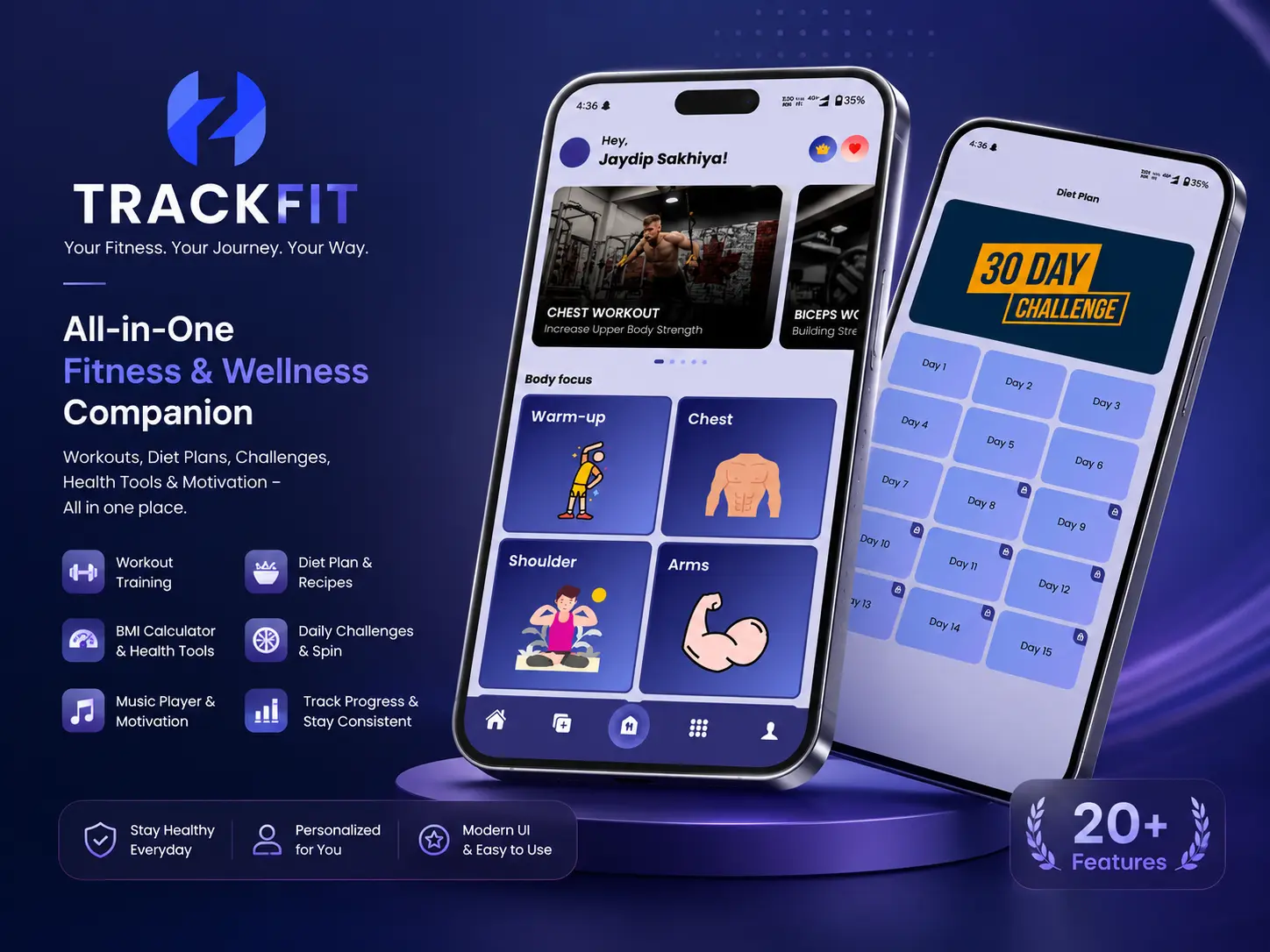
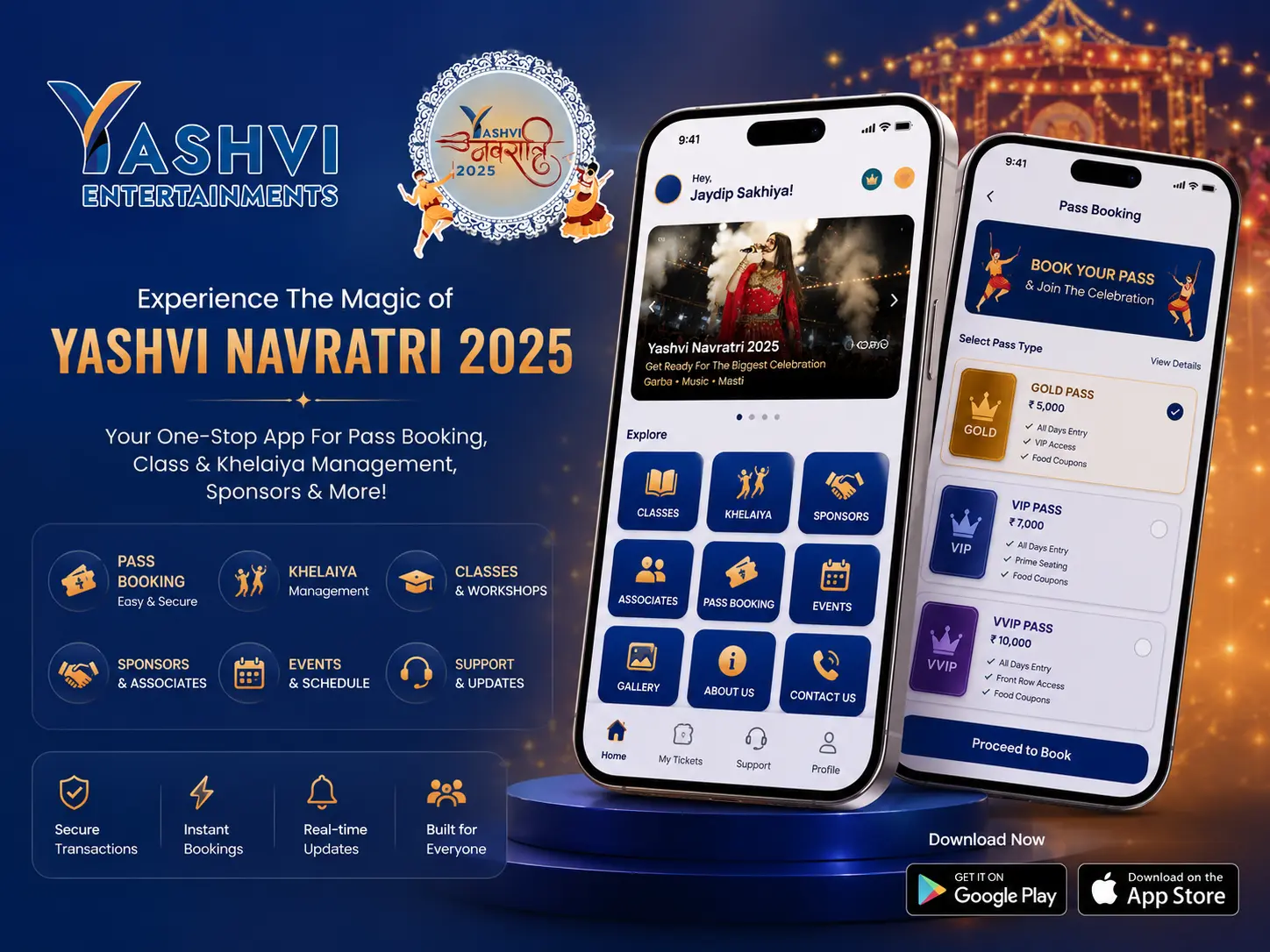
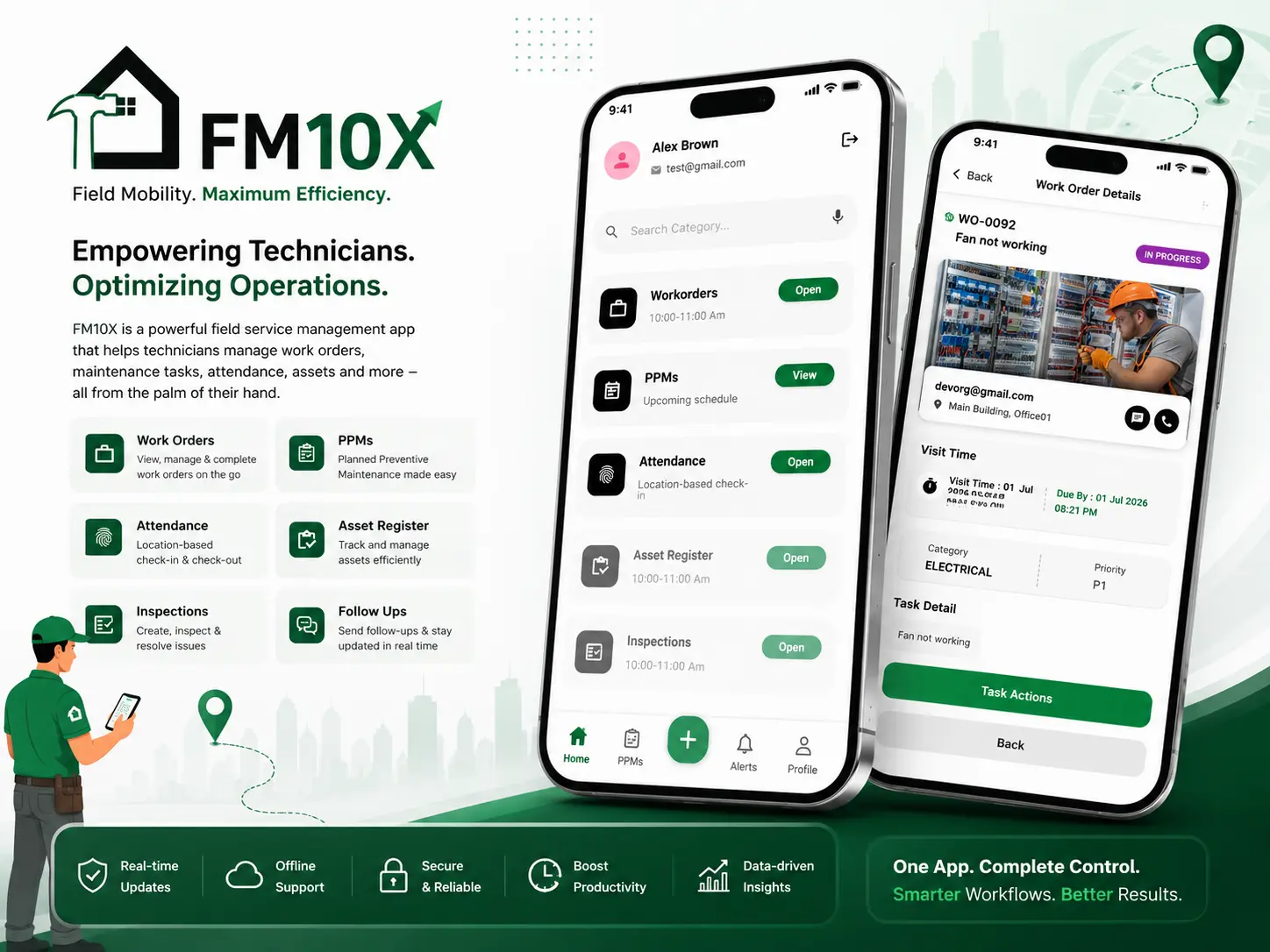
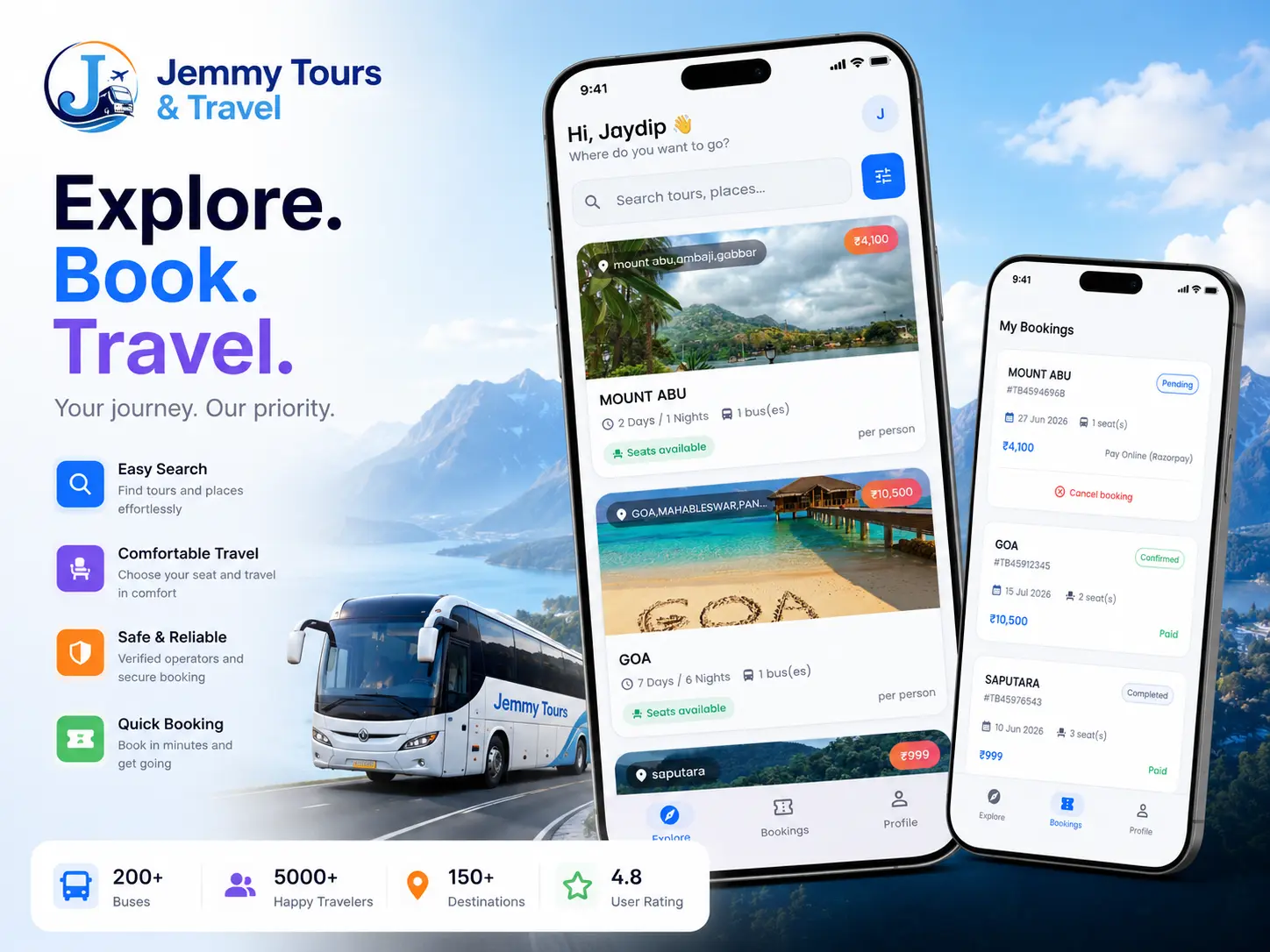
The tools I build this with.
Core
- Flutter
- Dart
- Material 3
- Custom widgets
State & architecture
- GetX
- MVC
- MVVM
- Dependency injection
Data
- REST APIs
- Firebase
- Local storage
- Typed Dart models
Delivery
- Git & GitHub
- Build flavours
- Play Store
- App Store
Three ways to work together.
Most Flutter app builds run either as a fixed-price project or as a dedicated monthly engagement. Which one fits depends on how settled the scope already is.
Fixed price
One agreed price for an agreed scope, split into milestones. You know the total before work starts, and I absorb the risk of my own estimate being wrong.
Best for: Well-defined builds where the feature list is already settled
Hourly
Billed for time actually worked, with a log of what was done. No minimum commitment, and you can stop at the end of any week.
Best for: Fixes, audits, custom code and open-ended work
Dedicated developer
A reserved block of my capacity each month, working to your priorities as they change. Scope can shift between sprints without renegotiating a contract.
Best for: Ongoing product work and longer engagements
From first call to launch and beyond.
Flutter builds follow the same six stages whether the app has five screens or fifty. The depth of each stage changes; the order does not.
- Step 01
Discovery
A call to understand the product, the users, the constraints and the deadline, followed by a written scope you can push back on.
- Step 02
Design
Screen flow, data model and architecture agreed before code. If you have Figma designs I work from them; if not, we settle structure first.
- Step 03
Development
Built in milestones you can see, pushed to your repository as it happens, with a working build to try at the end of each stage.
- Step 04
Testing
Real devices across both platforms, slow networks, edge cases and the states people forget: empty, loading, offline and error.
- Step 05
Launch
Signed release builds, store listings, review feedback handled, and deployment of any web or Firebase side of the project.
- Step 06
Support
A bug-fix period after release, then ongoing availability for feature work, SDK upgrades and store compliance changes.
Frequently asked questions
How long does it take to build a Flutter app?
It depends almost entirely on the number of screens and how much of the backend already exists. A focused app with a handful of screens and a working API is a matter of weeks. Something with authentication, payments, real-time data and an admin side is a matter of months. I give a stage-by-stage estimate after the discovery call rather than a single number up front, because the number given up front is always the one that turns out to be wrong.
Will one Flutter codebase really work on both Android and iOS?
Yes, and that is the main reason to choose Flutter. The interface is drawn by Flutter itself rather than mapped onto native components, so your screens look the same on both platforms. The exceptions are platform-specific behaviour such as permissions, push notification setup, in-app purchases and some hardware access, which needs configuring separately for each platform. That work is real, but it is a small fraction of the project.
Can you take over an existing Flutter project?
Often, yes. I start by reading the codebase and giving you an honest assessment of what is salvageable, what needs refactoring, and whether a rewrite would genuinely be cheaper than repair. Sometimes the answer is that the existing code is fine and the problem lies elsewhere. I would rather tell you that than bill you for a rebuild you do not need.
Do you build the backend as well as the app?
I build Firebase backends, covering authentication, Firestore data modelling, security rules, file storage and push notifications, which is enough for most app requirements without a separate server. If your product needs a custom backend in another language, I integrate against it and work alongside whoever is building it.
Who owns the code when the project is finished?
You do. The repository is yours from the first commit, hosted on your own GitHub or GitLab account wherever possible, and I push to it throughout rather than delivering a zip file at the end. You should be able to watch progress as it happens and walk away with everything at any point.
Do you handle app store submission?
Yes. I prepare signed release builds, app icons, splash screens, screenshots and store metadata, then handle review feedback until the app is approved. You will need your own Google Play and Apple Developer accounts, because those have to be in your name for you to keep control of the listings.
What happens after the app launches?
Launch is usually when the useful feedback starts arriving. I offer a support period after release for bug fixes, and ongoing monthly availability for feature work, Flutter SDK upgrades and store compliance changes. Neither is compulsory. If you have an in-house team taking over, I hand off and document what they need.
Ready to build your Flutter app?
Tell me what you are building, which platforms you need, and roughly when you want it live. I will come back with an honest view of scope and timeline.