Hire a Flutter Freelancer
Hiring a freelancer is mostly a question about risk, not skill. Here is exactly how I de-risk it — contracts, milestones, IP, and what happens if you want out.
The short version
- You own the code and IP from the first commit, in your own repository.
- Payment is milestone-based against agreed deliverables, not a lump sum up front.
- You can stop at the end of any milestone and keep everything built so far.
- Freelance vs agency vs employee: the honest comparison, including when I'm the wrong choice.
How a freelance engagement works
NDA before the details
Send yours and I'll sign it before you describe the product. If you'd rather keep it simple, a short mutual confidentiality agreement works too.
Written scope you can argue with
After the discovery call you get the scope in writing — deliverables, assumptions and exclusions — to disagree with before anything is committed.
Milestone payments
An advance to start, then payments against agreed deliverables. You're never paying far ahead of work that exists and runs.
Your repository from commit one
Work happens in your GitHub or GitLab account where possible. You watch it fill up rather than waiting for a handover.
IP assigned explicitly
Stated in the agreement rather than assumed. Code, designs and the Firebase project are yours, and I don't reuse client work elsewhere.
An exit that isn't a fight
Stop at the end of any milestone and keep everything delivered, plus a handover note so another developer can pick it up.
Freelancer, agency, or employee?
Three genuinely different trade-offs. Two of them are sometimes better than hiring me.
Freelancer — me
Lowest overhead, direct contact with the person writing the code, fast to start and stop. Capped at one person's capacity, and no cover if I'm unavailable.
Agency
Buys parallel capacity and continuity. Costs more for the same code because you're also funding account management, and the developer in the pitch often isn't the one assigned.
Full-time hire
Best when you'll have Flutter work continuously for years. Expensive and slow to arrange for a single project, and hard to reverse.
The honest rule
One defined project or a first version? Freelancer. Several workstreams against a hard date? Agency. Permanent, continuous product work? Hire someone.
If your project genuinely needs a team to hit your date, I'll tell you in the first call rather than take it and miss.
What usually goes wrong, and how this avoids it
Freelance projects fail in a small number of predictable ways. Each has a structural fix.
Scope drift with no record
Everything agreed goes in the written scope. Additions get quoted as a variation before I build them, so you decide with the cost visible.
Paying ahead of progress
Milestones tie money to working builds you can install. There's no point where you've paid for something you can't see.
Code held hostage
Structurally impossible here — it's in your repository from the start, not delivered at the end.
Disappearing mid-project
Can't be contract-proofed away, so instead: your repo, written decisions, a documented structure, and commits often enough that another developer could continue.
What I need from you
The two things that most often delay a freelance project are on the client side.
A decision-maker who's reachable
One person who can answer questions within a day or two. Projects stall waiting on approvals far more often than on code.
Content and access, early
Copy, images, API docs, store accounts, test credentials. Gathering these during the build rather than before it is the most common cause of a slipped date.
Your real budget
Telling me the number isn't a weakness in the negotiation. It's what lets me tell you what's achievable instead of quoting something you'll decline.
Freelance projects, written up.
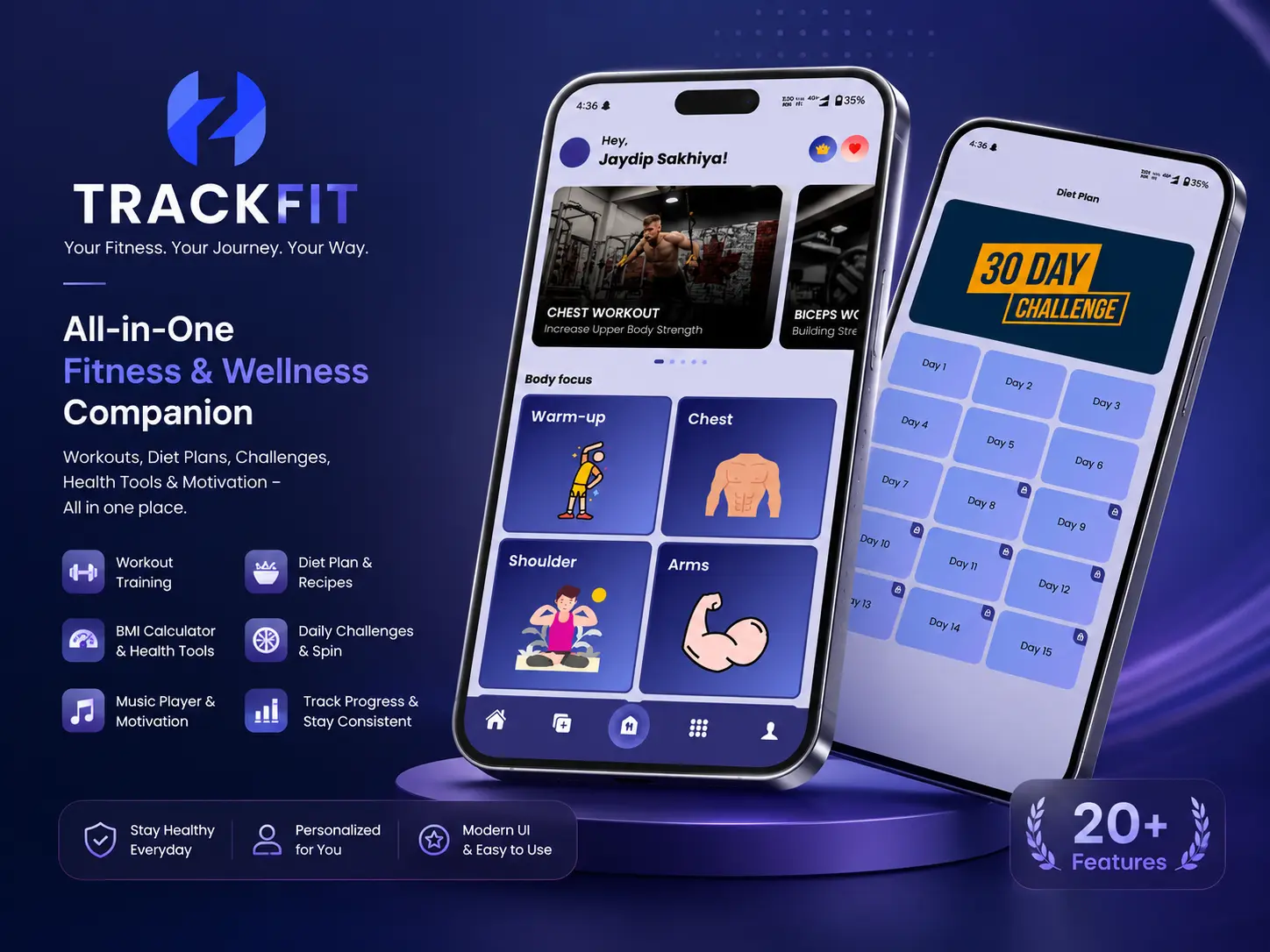
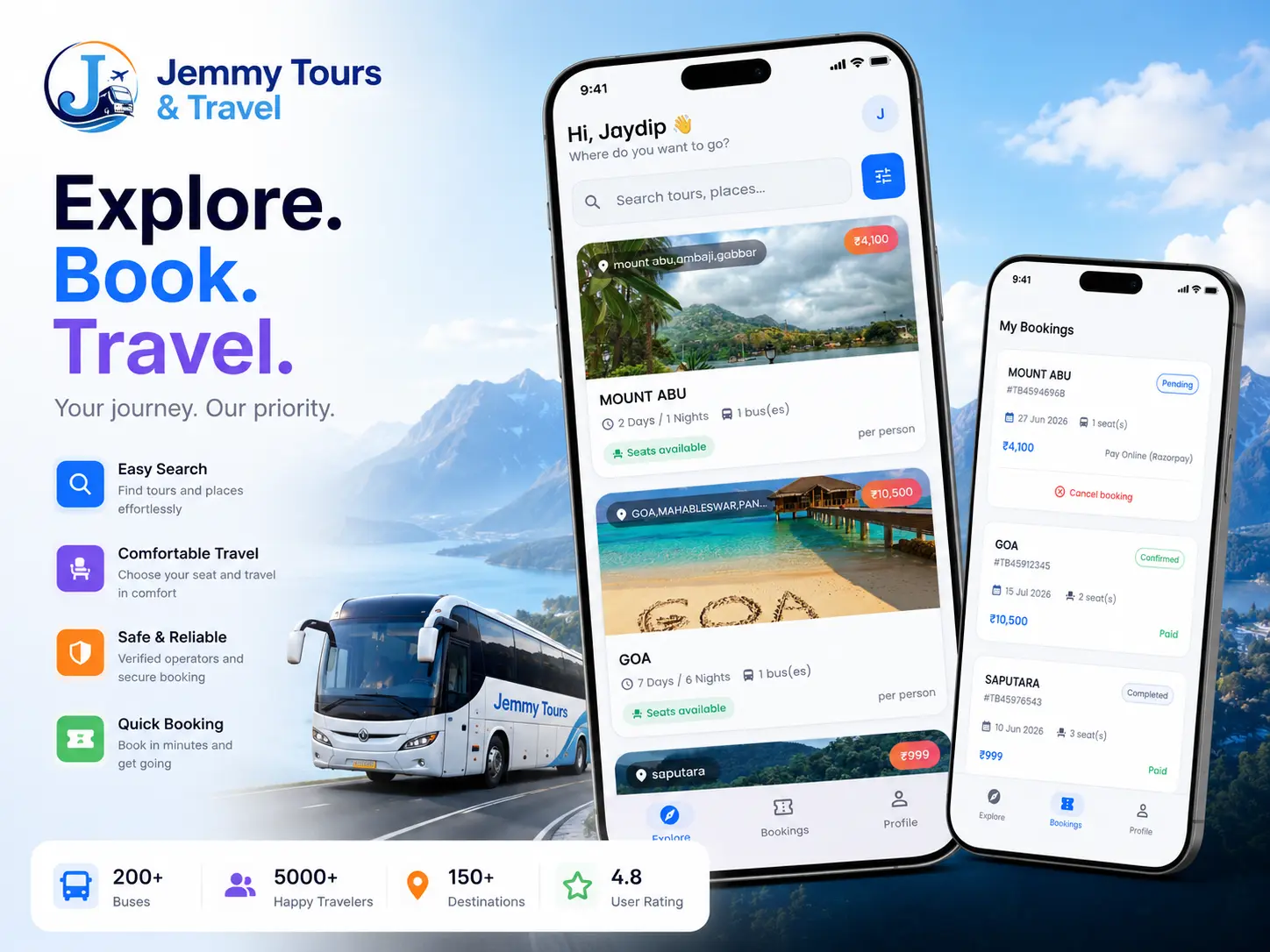
Every one of these was a freelance engagement. The case studies include the problems, not just the outcome.

The tools I build this with.
Build
- Flutter
- FlutterFlow
- Dart
- Android & iOS
Backend
- Firebase
- Cloud Firestore
- REST APIs
- Security rules
Paperwork
- Your NDA
- Written scope
- Milestone schedule
- IP assignment
Delivery
- Your Git repository
- Installable builds
- Handover notes
Three ways to work together.
Fixed price suits a defined freelance project. Hourly suits fixes and open-ended work. A dedicated monthly block suits continuing product work.
Fixed price
One agreed price for an agreed scope, split into milestones. You know the total before work starts, and I absorb the risk of my own estimate being wrong.
Best for: Well-defined builds where the feature list is already settled
Hourly
Billed for time actually worked, with a log of what was done. No minimum commitment, and you can stop at the end of any week.
Best for: Fixes, audits, custom code and open-ended work
Dedicated developer
A reserved block of my capacity each month, working to your priorities as they change. Scope can shift between sprints without renegotiating a contract.
Best for: Ongoing product work and longer engagements
From first call to launch and beyond.
The same six stages, with the paperwork front-loaded: NDA, written scope and milestone schedule all settled before the first line of code.
- Step 01
Discovery
A call to understand the product, the users, the constraints and the deadline, followed by a written scope you can push back on.
- Step 02
Design
Screen flow, data model and architecture agreed before code. If you have Figma designs I work from them; if not, we settle structure first.
- Step 03
Development
Built in milestones you can see, pushed to your repository as it happens, with a working build to try at the end of each stage.
- Step 04
Testing
Real devices across both platforms, slow networks, edge cases and the states people forget: empty, loading, offline and error.
- Step 05
Launch
Signed release builds, store listings, review feedback handled, and deployment of any web or Firebase side of the project.
- Step 06
Support
A bug-fix period after release, then ongoing availability for feature work, SDK upgrades and store compliance changes.
Frequently asked questions
How do I know a freelancer won't disappear mid-project?
You can't contract that risk away entirely, so the honest answer is structural rather than reassuring. Your code lives in your repository from the first commit, decisions are recorded in writing, the project structure follows conventions another Flutter developer will recognise, and I commit frequently enough that there's never a large gap between what you've paid for and what exists. If I vanished tomorrow you would have a working codebase and a document explaining it.
What payment terms do you work on?
An advance to begin, then payments against agreed milestones, each tied to a deliverable you can install and check. Hourly work is billed against a time log. Indian clients can pay by bank transfer or UPI; international clients by international transfer or the usual freelance payment platforms. Terms, currency and who absorbs transfer fees all get confirmed in writing before work starts.
Will you sign my contract and NDA?
Yes to both. Send the NDA before you describe the product in any detail. For the engagement itself I'm equally happy to work under your standard contractor agreement or a straightforward one of my own — whichever moves faster through your process. I'd rather spend the time building than negotiating paperwork.
Who owns the code and intellectual property?
You do, from the first commit, and it's stated explicitly in the agreement rather than left to assumption. That includes the code, the Firebase project and any designs produced for the work. I keep nothing back and don't reuse client code in other projects. Anything that appears publicly as a case study is limited to what you've agreed I can share.
What if I want to stop the project partway?
You can, at the end of any milestone. You keep everything delivered to that point, including the repository, plus a written handover note covering the structure and anything in progress, so another developer can pick it up. There's no penalty clause and no notice period on a fixed-price project. I'd rather you stopped than kept paying for something that stopped making sense.
Is a freelancer cheaper than an agency?
For the same code, yes, usually — agency rates carry overhead for project managers, account management and sales, none of which write your app. What an agency buys you is parallel capacity and cover when someone is unavailable, which is genuinely worth paying for on large or hard-deadline projects. For a single defined project or a first version, a freelancer is normally the better value.
Can you work alongside our in-house team?
Yes. I've worked as the only developer on a project and as an extra pair of hands alongside designers, backend developers and product owners. I'll follow your branching model, your review process and your existing code conventions rather than importing mine. If your team is new to Flutter, I document architectural decisions as I go so they're not inheriting choices nobody can explain.
Ready to hire a Flutter freelancer?
Tell me about the project and I'll come back with a written scope, a milestone plan and an honest view on whether I'm the right fit.