Hire a Flutter Developer in India
One developer, not an agency. You talk to the person writing the code, and the scope is what we agreed rather than what a sales team promised.
The short version
- Requirements go straight from your mouth into the code, with nobody relaying them.
- Apps built for real conditions here: metered data, constant dropouts, three-year-old budget phones.
- Phone OTP auth and regional language support come up far more often here than elsewhere.
- The honest limit: I'm one developer, so I can't parallelise five workstreams.
What I build for clients across India
Startup MVPs
A first version built to test a real hypothesis with real users, scoped to what you need to learn rather than everything on the eventual roadmap.
Consumer mobile apps
Android and iOS from one Flutter codebase, built for Indian network conditions and the wide range of Android hardware your users actually own.
Business and internal tools
Field apps, operations tools and multi-role platforms for companies whose staff work away from a desk and often without reliable signal.
Firebase backends
Authentication, Firestore, storage and push notifications, giving a small team a working backend without hiring for it separately.
Taking over stalled projects
Reading an existing Flutter codebase and telling you plainly whether it is extendable, repairable or genuinely better rebuilt.
Ongoing development capacity
Reserved monthly time for teams with a continuing stream of app work but not enough to justify a full-time Flutter hire.
Why hire an individual developer rather than an agency
Because the developer you meet in an agency pitch is frequently not the one assigned to your build.
Requirements stop passing through people
Two or three hand-offs before code is where the misunderstandings come from. Here the conversation and the implementation are the same person.
The exception you mention in passing gets caught
Because I'm the one who heard it, and I'll ask whether it applies to the other screen too.
The honest trade-off is capacity
I can't absorb a scope doubling without moving the date. For most app projects that doesn't bind, and I'll tell you when your project genuinely needs a team.
Building for Indian users specifically
Apps here have to survive conditions that a test on office wifi never reveals.
Compress before upload, not after
Data is metered for a large share of users, and a full-resolution photo upload is a real cost to them.
Offline persistence on by default
So the app opens to cached data instead of a spinner when connectivity drops and returns.
Page lists, retry with backoff
Rather than loading everything, or showing an error the user can only escape by force-closing the app.
Plan for the low end
The Android range here runs from current flagships to budget phones with very little memory.
These aren't hard requirements to meet. They're easy ones to leave out if you've never had to think about them.
How remote work actually runs
We share a time zone, so remote collaboration across India is mostly just ordinary working.
Questions get answered within the working day, and a problem on a live app can be looked at while it's still happening rather than the following morning.
You get a written scope before work starts, commits pushed to your own repository as they happen, a working build at the end of each stage, and a written update so you're never guessing where things stand.
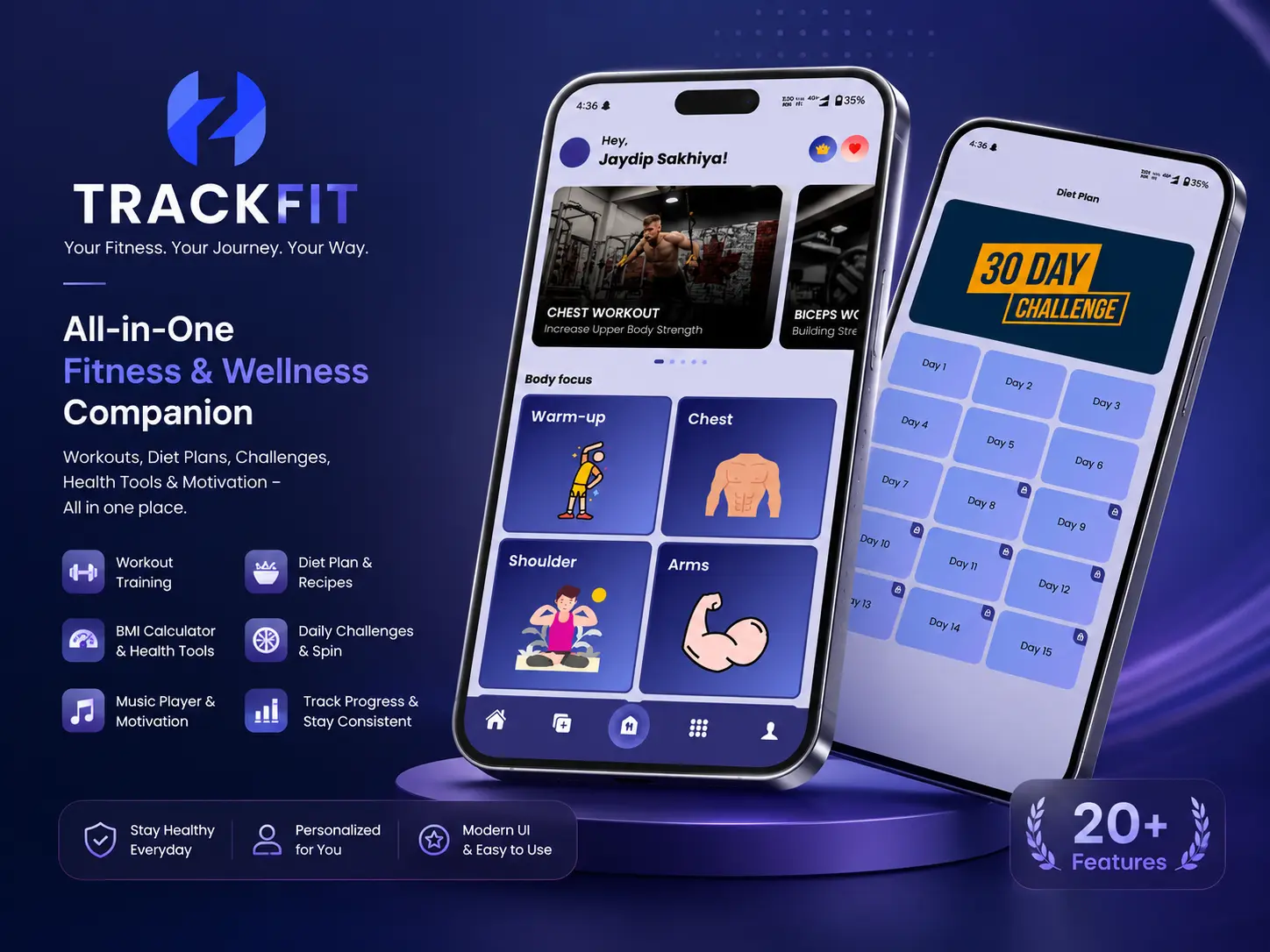
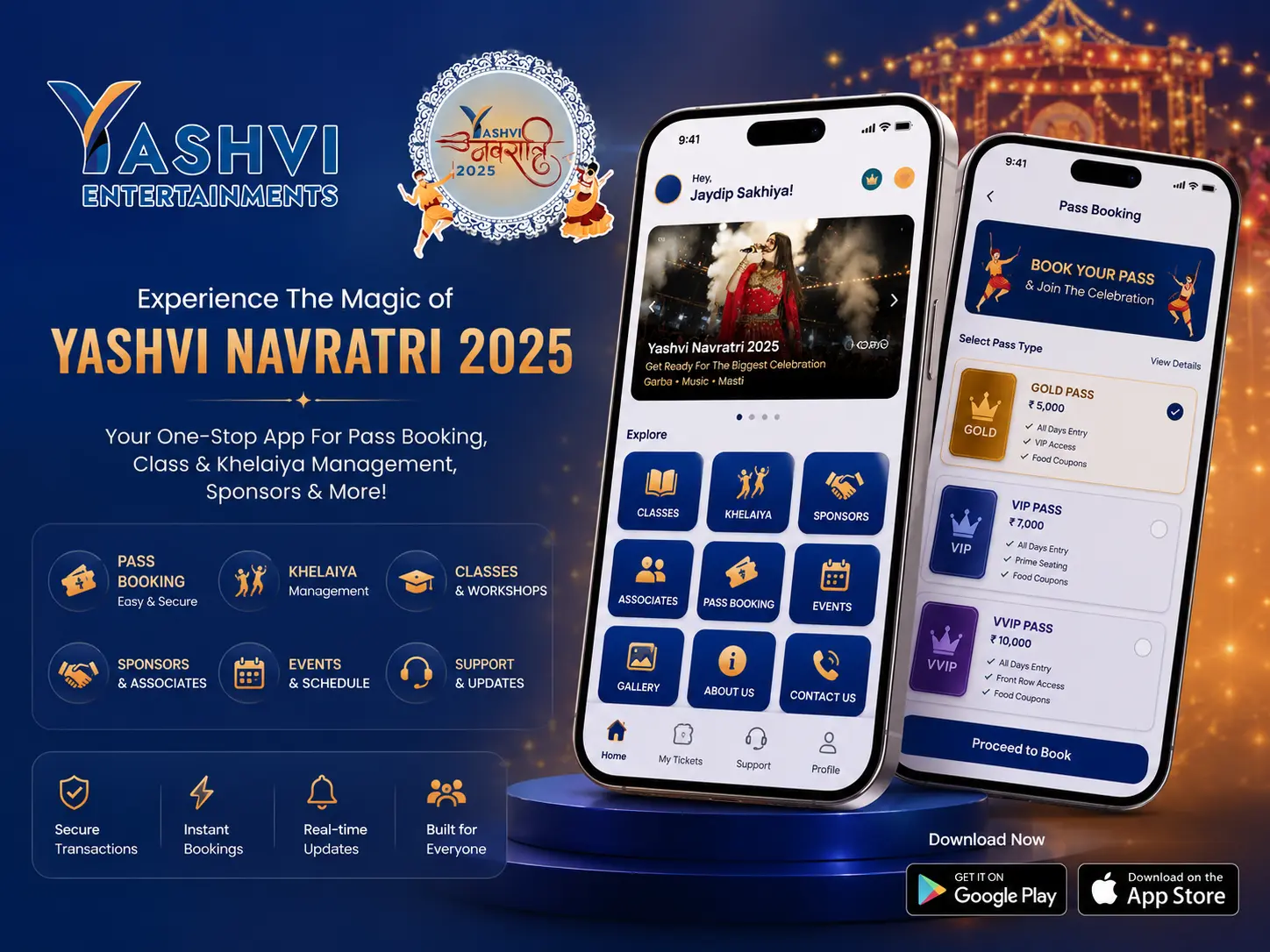
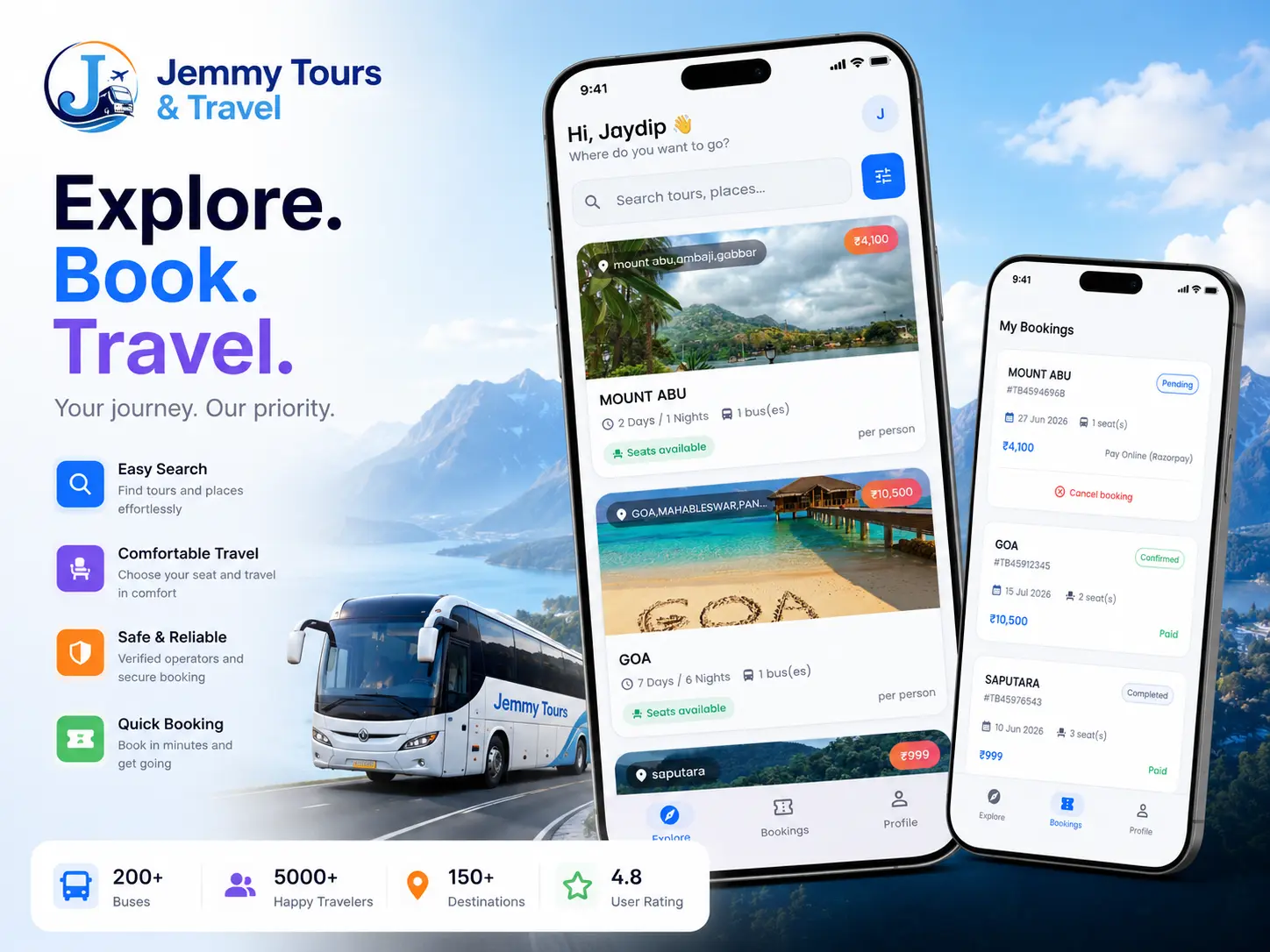
Projects where I have done this before.
Full case studies, including the problems I hit and how I solved them.
The tools I build this with.
Apps
- Flutter
- FlutterFlow
- Dart
- Android & iOS
Backend
- Firebase
- Cloud Firestore
- REST APIs
- Phone OTP auth
Built for conditions here
- Offline persistence
- Low-bandwidth handling
- Wide device support
Working style
- IST hours
- Your Git repository
- Written updates
Three ways to work together.
Startups usually prefer fixed price for a defined MVP. Established teams more often take a dedicated monthly engagement so priorities can shift without renegotiating.
Fixed price
One agreed price for an agreed scope, split into milestones. You know the total before work starts, and I absorb the risk of my own estimate being wrong.
Best for: Well-defined builds where the feature list is already settled
Hourly
Billed for time actually worked, with a log of what was done. No minimum commitment, and you can stop at the end of any week.
Best for: Fixes, audits, custom code and open-ended work
Dedicated developer
A reserved block of my capacity each month, working to your priorities as they change. Scope can shift between sprints without renegotiating a contract.
Best for: Ongoing product work and longer engagements
From first call to launch and beyond.
Remote projects across India follow the same six stages. Everything runs over calls and shared builds, and being in one time zone keeps the feedback loop tight.
- Step 01
Discovery
A call to understand the product, the users, the constraints and the deadline, followed by a written scope you can push back on.
- Step 02
Design
Screen flow, data model and architecture agreed before code. If you have Figma designs I work from them; if not, we settle structure first.
- Step 03
Development
Built in milestones you can see, pushed to your repository as it happens, with a working build to try at the end of each stage.
- Step 04
Testing
Real devices across both platforms, slow networks, edge cases and the states people forget: empty, loading, offline and error.
- Step 05
Launch
Signed release builds, store listings, review feedback handled, and deployment of any web or Firebase side of the project.
- Step 06
Support
A bug-fix period after release, then ongoing availability for feature work, SDK upgrades and store compliance changes.
Frequently asked questions
Where in India are you based?
Surat, Gujarat. I work with clients across the country remotely, and I am available in person for clients in Surat and elsewhere in Gujarat. For a remote project your location within India makes no practical difference, since we share a working day either way.
How much does it cost to hire a Flutter developer in India?
Rates vary enormously depending on experience and whether you are hiring an individual or an agency, and agency rates carry overhead that goes to people who are not writing your code. Hiring me directly means you are paying for development time rather than for a layer of account management. I quote after a scoping conversation rather than from a rate card, and I am happy to talk numbers on that first call.
Can you work with our in-house team?
Yes. I have worked both as the only developer on a project and as part of a team with designers, backend developers and product owners. I will fit your existing conventions, review process and branching strategy rather than imposing mine. If your team has no Flutter experience yet, I can document decisions as I go so they can pick it up.
Do you sign NDAs and formal contracts?
Yes to both, and I am happy to sign an NDA before you describe the idea in detail. For the work itself I use a written agreement covering scope, milestones, payment schedule, intellectual property and what happens if either of us needs to stop. Code and IP are yours.
How do payments work?
Milestone-based for fixed-price projects, typically with an advance to start and the remainder against agreed deliverables. Monthly for dedicated engagements, and against a time log for hourly work. Indian clients can pay by bank transfer or UPI, and international clients through international transfer. Details get confirmed in writing before work begins.
What if the project scope changes partway through?
It usually does, and that is normal rather than a failure. Small additions get absorbed. Anything that meaningfully changes the work gets quoted as a variation before I build it, so you decide with the cost in front of you. What I will not do is silently drop something we agreed in order to protect a date.
Can you build for international clients too?
Yes, and a good share of my freelance work is remote for clients abroad. IST overlaps comfortably with Europe, the Middle East and Australia, and covers mornings in the US. There is a dedicated page on how remote work across time zones runs in practice.
Looking to hire a Flutter developer in India?
Tell me what you are building, what stage you are at, and when you want it live. I will reply with an honest view of scope and timeline.