Flutter MVP Development for Startups
Most failed MVPs weren't built badly. They were scoped badly — six months spent on features nobody asked for, answering a question the founder already knew.
The short version
- We start from what you need to learn, then cut everything that doesn't test it.
- One Flutter codebase covers Android and iOS, so you're not picking half your market.
- Firebase handles auth, data, storage and notifications — no separate backend hire.
- FlutterFlow is on the table when it would get you there sooner and cheaper. I'll say so.
What an MVP build includes
Scope workshop first
Before any code: what hypothesis are you testing, what would disprove it, and which screens are genuinely required to find out.
Both platforms from day one
Android and iOS from one Flutter codebase. Picking a single platform to save money usually just halves your test group.
Firebase backend
Authentication, Firestore, file storage and push notifications, structured so it survives the pivot rather than only the demo.
Analytics wired in from the start
An MVP you can't measure isn't an experiment. Event tracking on the flows that matter, so you get an answer rather than opinions.
Store submission
Signed builds, listings, screenshots and review feedback handled, plus TestFlight and internal testing tracks for early users.
A codebase that survives v2
Typed models, logic out of widgets, shared components. An MVP you throw away is only cheap if you actually planned to throw it away.
Scope discipline is the whole service
The valuable part of an MVP build isn't the code. It's the conversation about what not to build.
Start from the question, not the roadmap
"Will restaurant owners pay for this?" needs very different screens from "can diners complete a booking without help?" Most briefs answer neither.
Cut anything that doesn't change the answer
Profile editing, settings, onboarding carousels, dark mode, social login. All reasonable. None of them test your hypothesis.
Fake what you can fake
An admin screen can be a spreadsheet. A matching algorithm can be you, manually, for the first fifty users. Build the illusion, not the engine.
Ship, then decide
The fastest route to a real roadmap is a small thing in real hands. Everything before that is a guess with a budget attached.
I would rather talk you out of four features in the scope call than build them and watch you learn nothing from them.
Flutter or FlutterFlow for an MVP?
For a standard feature set, FlutterFlow gets you there sooner and cheaper. I build both, so I have no stake in the answer.
If your MVP is built around forms, lists, authentication and Firestore — which most are — FlutterFlow is often the honest recommendation, and I will make it even though it is the smaller project for me.
Hand-written Flutter earns its cost when the product depends on custom animation, complex offline behaviour, or something the builder simply cannot express. There is a full side-by-side comparison on my Flutter vs FlutterFlow page if you want the detail.
What founders should expect from me
Direct contact, visible progress, and a straight answer when your plan doesn't fit your budget.
You talk to the developer
No account manager between your idea and the code. The person who hears the edge case writes the handling for it.
Progress you can install
A working build at the end of each stage, in your own repository from the first commit. You're never waiting for a reveal.
Budget honesty up front
If what you've described costs more than you have, I'll say so in the first call and show you what fits instead — rather than agreeing and descoping quietly later.
The capacity limit, stated
I'm one developer. For an MVP that's usually an advantage. If your plan genuinely needs a team to hit a date, I'll tell you that too.
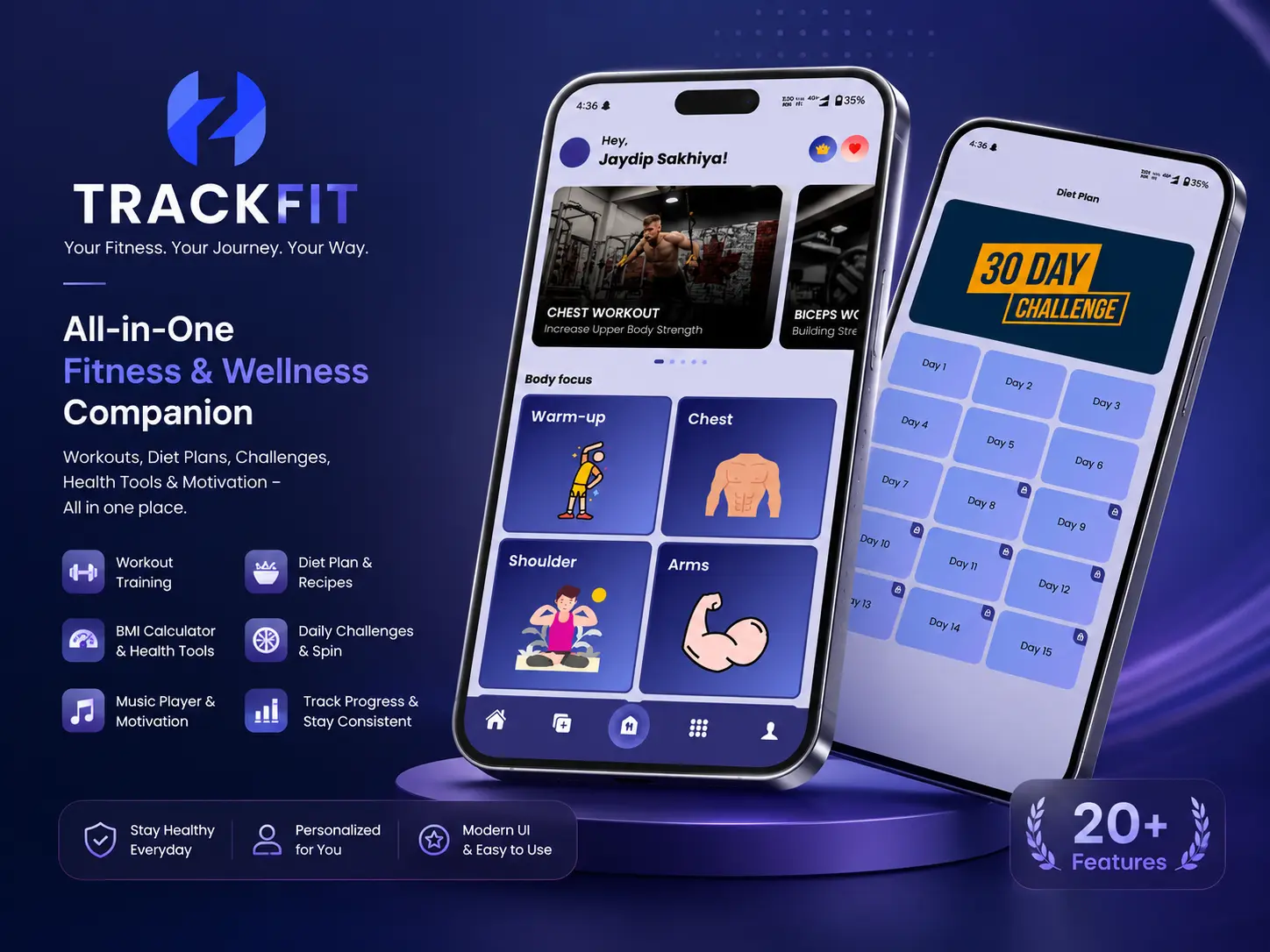
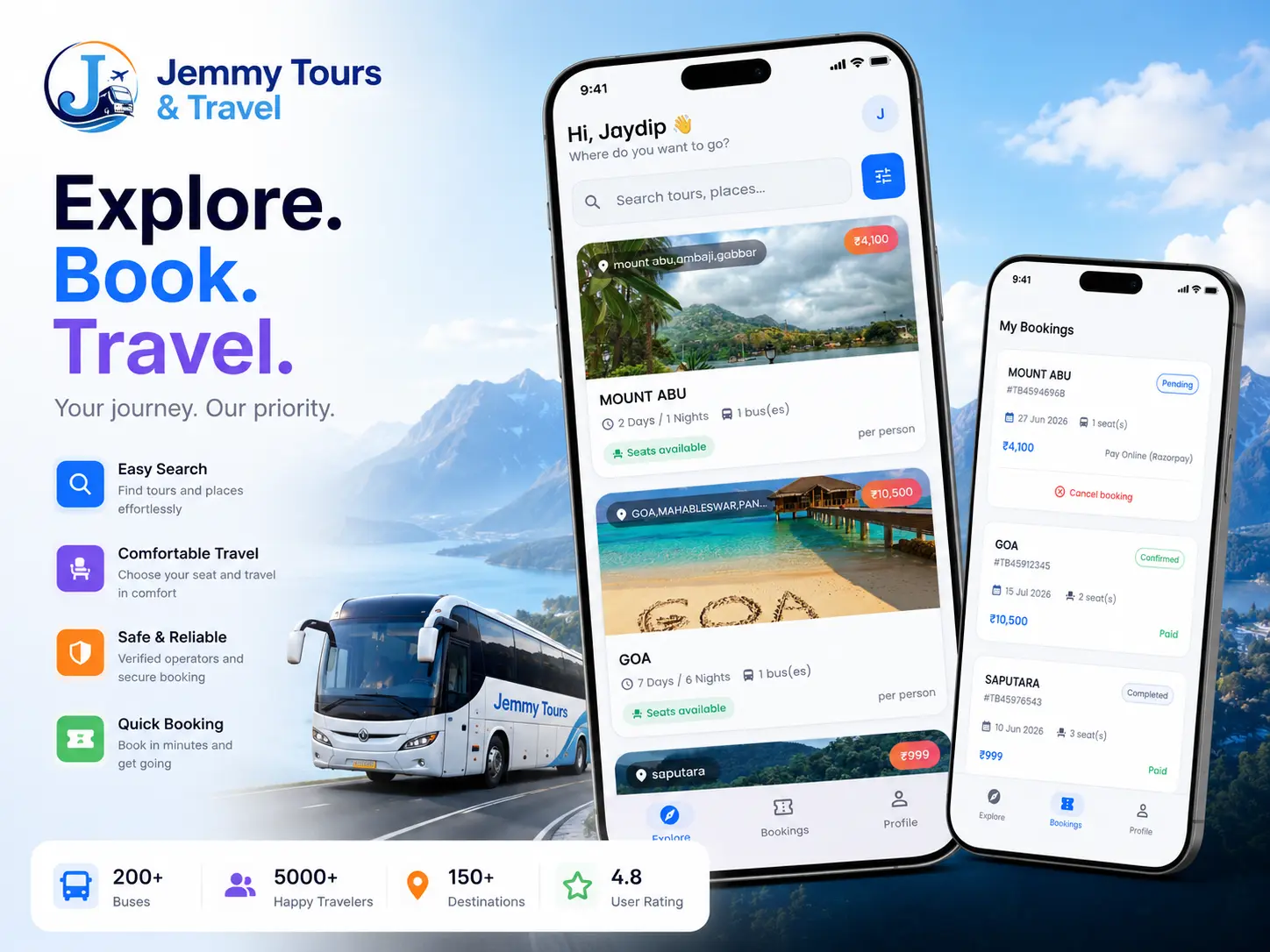
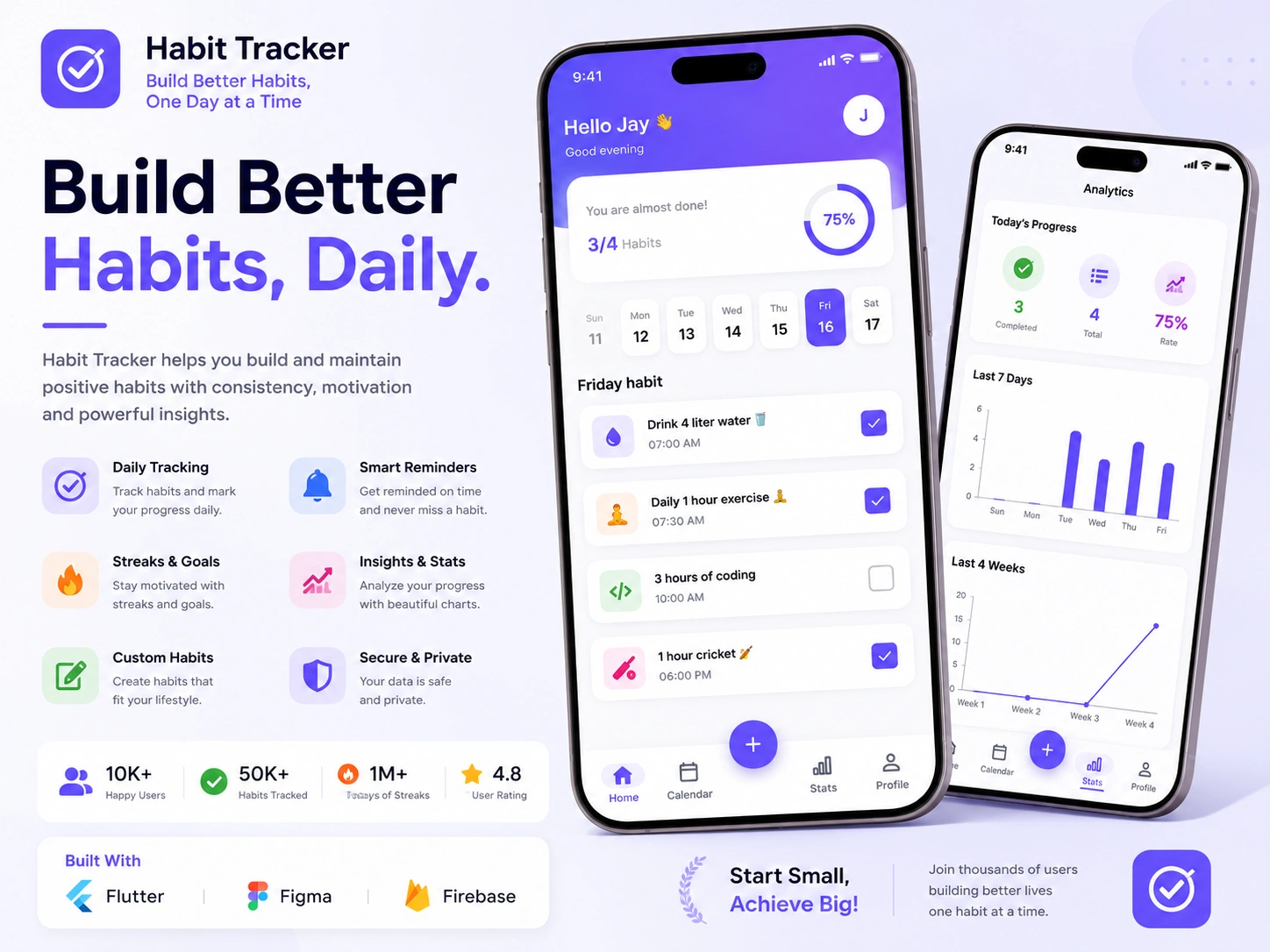
Builds that started small.
Case studies with the scope decisions and technical trade-offs written up, not just the finished screens.
The tools I build this with.
App
- Flutter
- FlutterFlow
- Dart
- Android & iOS
Backend
- Firebase Auth
- Cloud Firestore
- Storage
- Cloud Messaging
Validation
- Analytics events
- TestFlight
- Internal testing
- Crashlytics
Working style
- Your Git repository
- Milestone builds
- NDA on request
Three ways to work together.
Most MVPs run fixed-price against milestones, so a pre-revenue startup knows the total before starting. Hourly suits post-launch iteration.
Fixed price
One agreed price for an agreed scope, split into milestones. You know the total before work starts, and I absorb the risk of my own estimate being wrong.
Best for: Well-defined builds where the feature list is already settled
Hourly
Billed for time actually worked, with a log of what was done. No minimum commitment, and you can stop at the end of any week.
Best for: Fixes, audits, custom code and open-ended work
Dedicated developer
A reserved block of my capacity each month, working to your priorities as they change. Scope can shift between sprints without renegotiating a contract.
Best for: Ongoing product work and longer engagements
From first call to launch and beyond.
MVPs compress the stages but skip none of them. Discovery is the most valuable part, because that's where features get cut rather than built.
- Step 01
Discovery
A call to understand the product, the users, the constraints and the deadline, followed by a written scope you can push back on.
- Step 02
Design
Screen flow, data model and architecture agreed before code. If you have Figma designs I work from them; if not, we settle structure first.
- Step 03
Development
Built in milestones you can see, pushed to your repository as it happens, with a working build to try at the end of each stage.
- Step 04
Testing
Real devices across both platforms, slow networks, edge cases and the states people forget: empty, loading, offline and error.
- Step 05
Launch
Signed release builds, store listings, review feedback handled, and deployment of any web or Firebase side of the project.
- Step 06
Support
A bug-fix period after release, then ongoing availability for feature work, SDK upgrades and store compliance changes.
Frequently asked questions
How long does a Flutter MVP take to build?
A tightly scoped MVP — one core flow, authentication, a Firebase backend and both platforms — is typically a matter of weeks rather than months. What stretches it is scope creep during the build and waiting on decisions or content from your side. I give a stage-by-stage estimate after the scope workshop, because an estimate made before that conversation is a guess.
What should I cut from my MVP?
Anything that doesn't change the answer to your core question. In practice that usually means: profile editing, settings screens, onboarding carousels, social login beyond one provider, in-app messaging, notifications that aren't essential to the loop, and any admin interface that a spreadsheet could do for your first fifty users. We go through your feature list together in the scope call and I'll argue for cutting more than you expect.
Should an MVP use FlutterFlow or custom app development?
For most first versions, FlutterFlow. If your MVP is built from forms, lists, authentication and Firestore — and the majority are — the low-code route gets real users in front of it sooner and for less, which is the entire point of an MVP. Custom app development, meaning hand-written Flutter, earns its cost when the product depends on bespoke animation, complex offline sync, or something the builder genuinely cannot express. I build both and will recommend the cheaper one when it fits, even though it is the smaller project for me.
Do you work with pre-funded startups?
Yes, and most MVP enquiries are pre-funding. It mainly changes how we scope: a fixed budget means we work backwards from what you can spend to what's buildable, rather than designing the ideal product and discovering the cost afterwards. Tell me the number early and you'll get a far more useful conversation.
Will you take equity instead of payment?
No. I work on paid engagements only. It isn't a judgement on your idea — equity-for-build arrangements tend to misalign incentives on exactly the decisions that matter in an MVP, like cutting scope, and they leave both sides worse off when priorities diverge. A smaller paid scope is almost always better for you than a larger equity one.
Can the MVP scale if it works?
It can be built so it doesn't have to be thrown away, which is what I default to: typed models, business logic out of widgets, shared components, and a Firestore schema designed around read patterns rather than screens. That said, an MVP that succeeds will need work before it serves a hundred thousand users, and that's normal. The goal is that v2 is an extension rather than a rewrite.
Do I own the code and the Firebase project?
Yes, both, from the first commit. The repository is on your GitHub or GitLab account wherever possible and the Firebase project is in your account, not mine. That matters more than founders usually realise — it means you can hand the project to anyone, or take it in-house, without needing anything from me.
Can you help with the investor demo?
I can make sure the build supports one: a stable demo path, seeded data that makes the flows look real, and a TestFlight or internal testing link investors can install rather than watch over your shoulder. I won't build a demo that fakes functionality the product doesn't have — that tends to surface at exactly the wrong moment.
Ready to scope your MVP?
Tell me what you're trying to learn, who you'd test it with, and what you have to spend. I'll come back with a scope that fits.