Hire a FlutterFlow Developer
Most FlutterFlow freelancers can only go as far as the builder goes. I write the Dart that gets you past it — which is usually where your project is stuck.
The short version
- Most FlutterFlow experts stop where the builder stops. I write the Dart that gets past it.
- I fix the two things that stall most FlutterFlow projects: the schema and the missing custom code.
- You keep the ability to export and walk away from FlutterFlow at any point.
- Available for new builds, rescues, audits, or a reserved block of monthly capacity.
What you can hire me for
New FlutterFlow MVP
Idea or designs to a working app on both stores, built on a Firestore schema designed before the screens.
Custom actions and widgets
Hire me just for the Dart: the specific things your builder-only developer could not make work.
Project rescue
An app that has grown slow, tangled or unmaintainable, diagnosed and fixed in priority order.
FlutterFlow audit
A written review of your schema, queries, security rules and page logic, ordered by severity. Yours to act on however you like.
Export and migration
Getting your code out of FlutterFlow and into a properly structured Flutter repository when you outgrow the builder.
Ongoing capacity
A reserved block of my month for teams shipping continuously without a full-time FlutterFlow hire.
What makes someone a FlutterFlow expert
Not how many screens they've dragged together. It's what they do at the three points where the builder stops being enough.
The schema
Firestore charges per document read. A schema shaped around the first screen someone designed is the single most common reason FlutterFlow projects become expensive to run.
The custom code
Real apps need custom actions, functions and widgets almost immediately. Someone who can't write Dart has to redesign your feature around the builder's limits instead.
The exit
Knowing what exported FlutterFlow code actually looks like, and how much work a real migration is, before you bet a product on the answer.
Anyone can build the first ten screens in FlutterFlow. The expertise is in the eleventh, and in what the first ten cost you to run.
How I build in FlutterFlow
Schema before screens, custom Dart where the builder stops, and nothing that blocks you from exporting later.
The Firestore schema comes first
Collections, fields and relationships designed around how the app will read data, before a single screen is dragged together.
Custom actions instead of workarounds
When the builder can't express a piece of logic, it gets written in Dart rather than the feature being redesigned around the limitation.
Queries that use indexes
Rather than re-running on every rebuild, which is the usual reason a FlutterFlow app feels slow and costs more than expected to run.
Nothing that traps you in the builder
Custom code stays inside the project and survives upgrades, so export remains a real option whenever you want it.
Honest limits
I will turn down FlutterFlow work that FlutterFlow is wrong for, and tell you what to do instead.
Wrong tool
Heavy custom animation, complex offline sync or several developers in parallel — go straight to Flutter. I'll explain why rather than take the project.
Wrong scale
I'm one developer. I can't parallelise five workstreams or absorb a scope doubling without moving the date.
No firmware or embedded
I build the app and dashboard layer. For connected hardware I work alongside whoever writes the firmware.
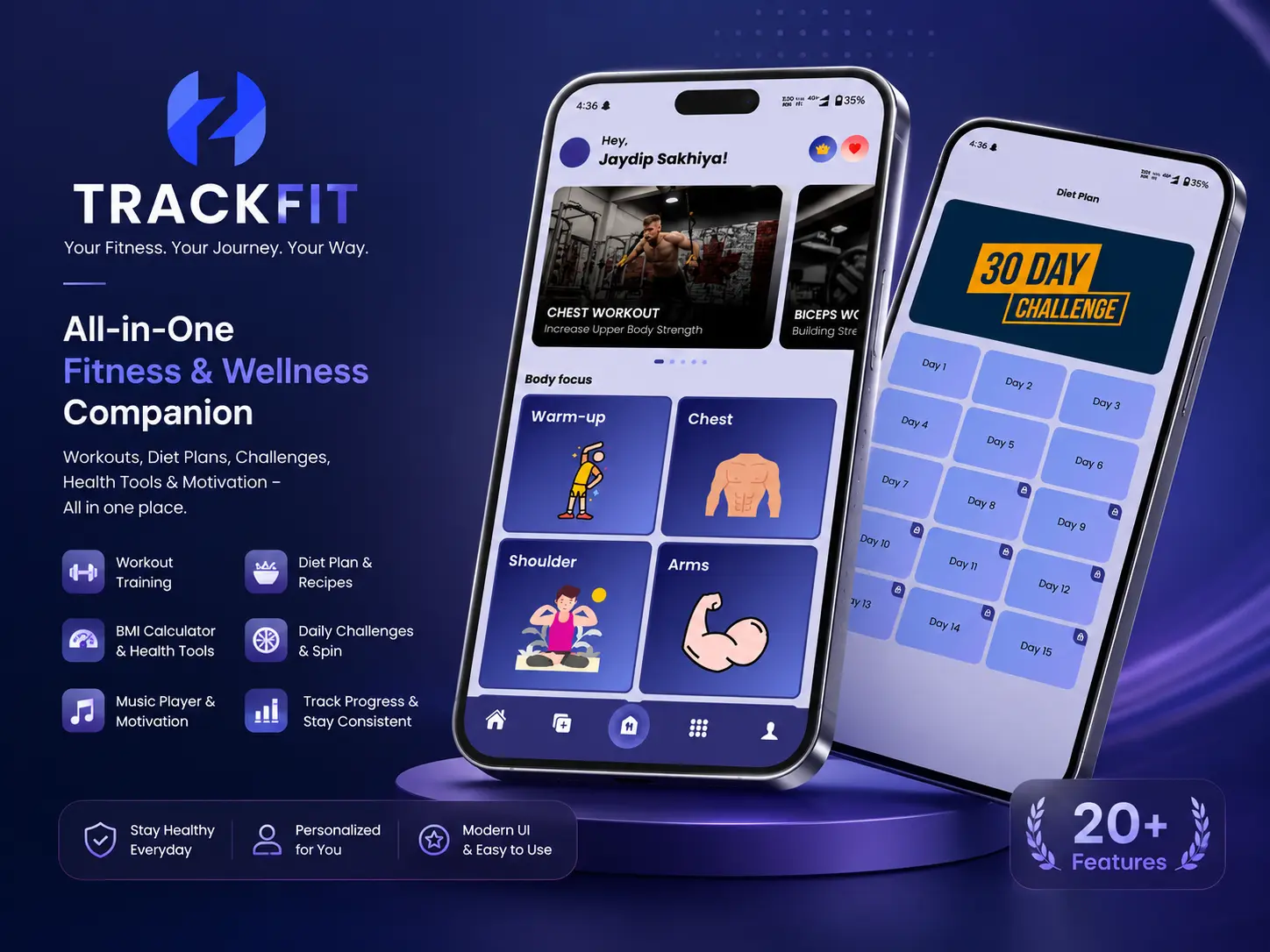
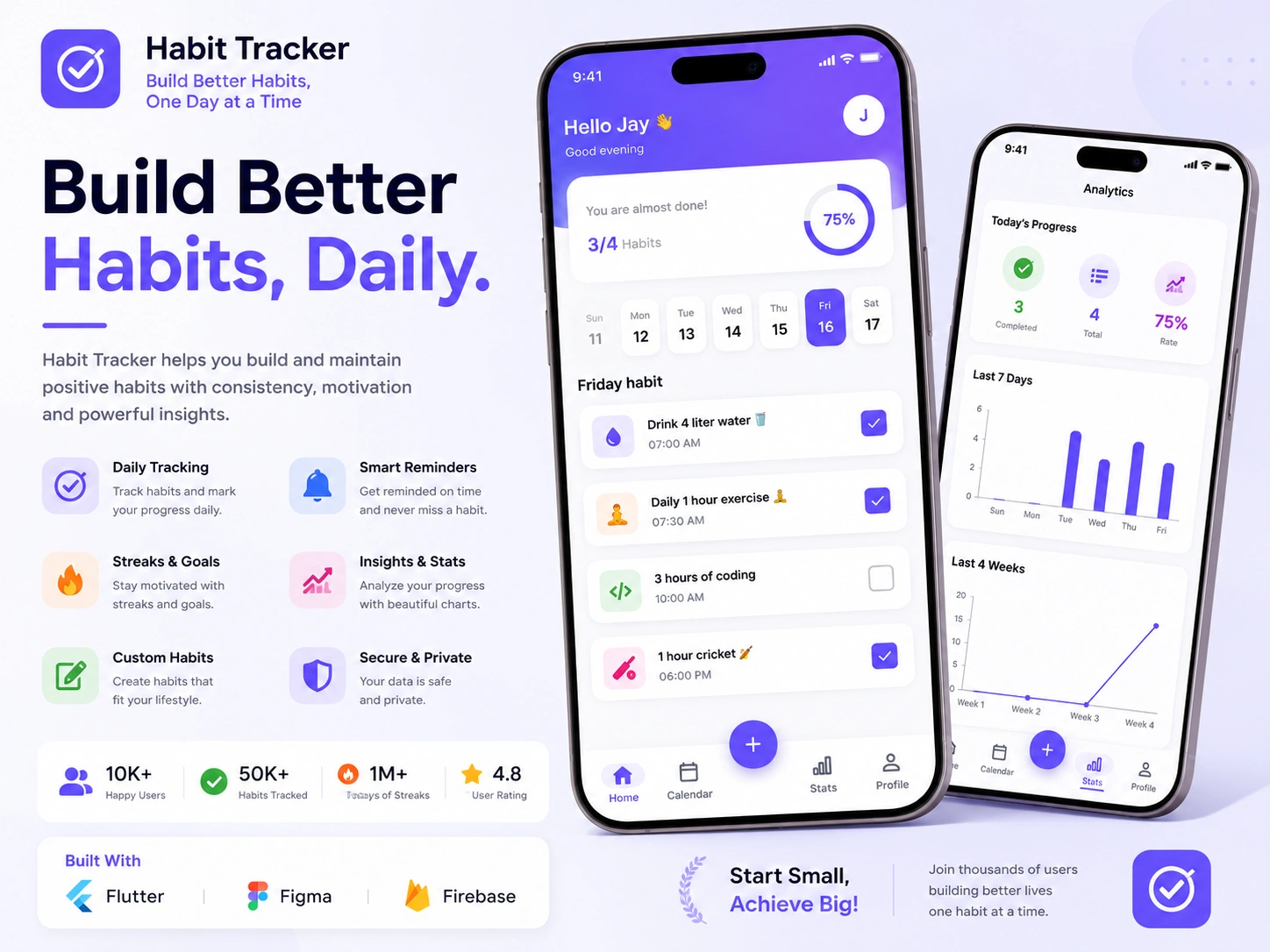
Flutter work that shows how I build.
These are hand-written Flutter builds, not FlutterFlow ones. The Flutter and Firebase judgement behind them is the same judgement I bring to a FlutterFlow project.
The tools I build this with.
FlutterFlow
- Custom actions
- Custom functions
- Custom widgets
- Code export
Flutter underneath
- Flutter
- Dart
- pub.dev packages
- GetX
Backend
- Firebase Auth
- Cloud Firestore
- Firebase Storage
- Security rules
Working style
- Your Git repository
- Async updates
- NDA on request
Three ways to work together.
Rescues and audits usually run hourly. A defined MVP runs fixed price. Continuing product work runs as a dedicated monthly engagement.
Fixed price
One agreed price for an agreed scope, split into milestones. You know the total before work starts, and I absorb the risk of my own estimate being wrong.
Best for: Well-defined builds where the feature list is already settled
Hourly
Billed for time actually worked, with a log of what was done. No minimum commitment, and you can stop at the end of any week.
Best for: Fixes, audits, custom code and open-ended work
Dedicated developer
A reserved block of my capacity each month, working to your priorities as they change. Scope can shift between sprints without renegotiating a contract.
Best for: Ongoing product work and longer engagements
From first call to launch and beyond.
Hiring me for FlutterFlow follows the same six stages as any build. Discovery and design matter more here, not less, because the schema is what you cannot cheaply change later.
- Step 01
Discovery
A call to understand the product, the users, the constraints and the deadline, followed by a written scope you can push back on.
- Step 02
Design
Screen flow, data model and architecture agreed before code. If you have Figma designs I work from them; if not, we settle structure first.
- Step 03
Development
Built in milestones you can see, pushed to your repository as it happens, with a working build to try at the end of each stage.
- Step 04
Testing
Real devices across both platforms, slow networks, edge cases and the states people forget: empty, loading, offline and error.
- Step 05
Launch
Signed release builds, store listings, review feedback handled, and deployment of any web or Firebase side of the project.
- Step 06
Support
A bug-fix period after release, then ongoing availability for feature work, SDK upgrades and store compliance changes.
Frequently asked questions
What should I look for when hiring a FlutterFlow developer?
Ask whether they can write custom Dart actions and widgets, and ask them to describe a time the builder could not do what a project needed. Ask how they would design your Firestore collections before they design any screens. And ask what happens if you want to export the code and leave FlutterFlow. A builder-only developer will struggle with all three, and those are the three that decide whether your app survives contact with real users.
Are you a certified FlutterFlow Expert?
Worth separating two meanings of the word. FlutterFlow runs an official Expert Program with its own training and portfolio review, and awards a badge to the freelancers and agencies who pass it. I am not claiming that badge. I describe myself as a FlutterFlow expert in the ordinary sense: someone who builds in it professionally and can write the Dart it generates when the builder runs out. Judge that on the case studies, and on how I answer your schema questions on the first call — a better test than any badge.
Are you a FlutterFlow expert or a Flutter developer?
Both, and the combination is the point. I have spent four years building Flutter applications, and I use FlutterFlow where it genuinely saves a client time and money. That means I can work fast inside the builder and drop into Dart the moment the builder runs out, rather than treating its limits as the project's limits.
Can you rescue a FlutterFlow app another freelancer built?
Usually, and it is a significant share of the FlutterFlow work I get asked about. I start with an audit: what is causing the specific symptoms you are seeing, what is repairable, and whether the data schema is the real problem underneath. You get that assessment in writing before committing to any fixes, including when the honest answer is that the existing build is fine.
Do you work as a FlutterFlow freelancer or on retainer?
Either. Short pieces of custom-code work and audits are billed hourly with no minimum commitment. A defined MVP is usually fixed price against milestones. If you are shipping continuously, a reserved monthly block works better, because priorities can shift between sprints without renegotiating a contract each time.
How quickly can a FlutterFlow MVP be ready?
Faster than hand-written Flutter, which is normally the reason to choose it, but the honest range still depends on screen count, how much custom code the features need, and whether your Firebase backend exists. A focused MVP with standard patterns is a matter of weeks. I give a stage-by-stage estimate after scoping rather than a single number up front.
Will I own the FlutterFlow project and the code?
Yes. The FlutterFlow project lives in your own account, not mine, and any exported code goes to your repository. I will sign your NDA before you describe the product in detail, and intellectual property assignment is stated explicitly in the agreement. I keep nothing back and do not reuse client work elsewhere.
What does hiring a FlutterFlow developer cost?
Less than the equivalent hand-written Flutter build for the same feature set, which is usually why clients choose it. Beyond that it scales with screen count, how much custom Dart the features need, and whether the Firebase backend exists already. I quote after a scoping conversation rather than from a rate card, and audits and small pieces of custom-code work are billed hourly with no minimum commitment.
Need a FlutterFlow developer who can write Dart?
Tell me whether you are starting fresh, stuck, or thinking about leaving the builder. I will tell you honestly what it needs and whether I am the right person for it.